Meet the Multiage Team
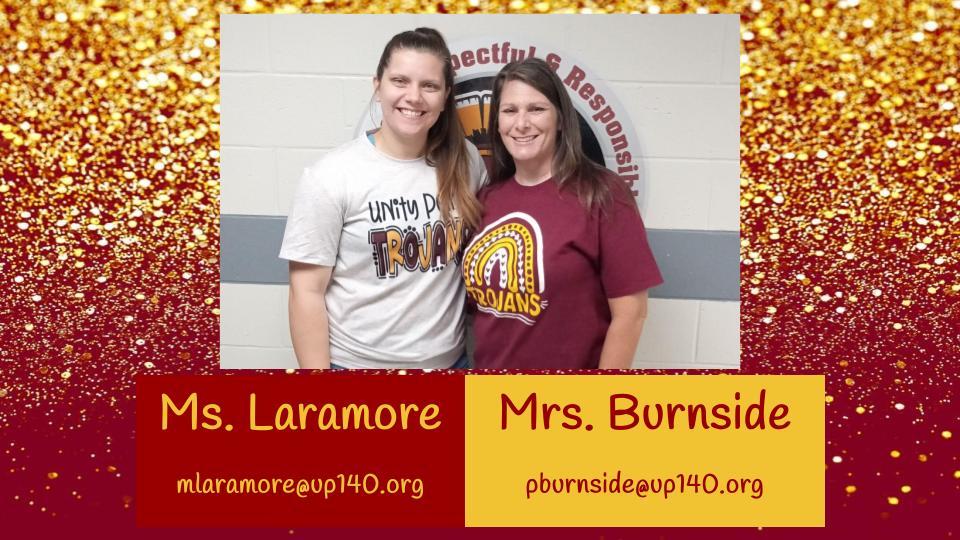
Ms. Laramore and Mrs. Burnside
Ms. Laramore and Mrs. Burnside
The mission of the multiage classroom is to foster student’s individual developmental timeline through the use of themes, flexible grouping, multiple teaching strategies and instruction geared to the individual child, not a grade level standard or set grade level curriculum.
Knowing the children over time increases the teacher’s understanding of the child’s needs and how s/he learns best
Enables the student to build a secure relationship with the teacher and allows the teacher to get to know the child
Opportunity for all the children to be both the younger and older members of a peer group
Opportunity for “academic eavesdropping” and other ways to move ahead at own rate
Skills and facts are presented in a context of strategies and concepts that can be tools for further learning
Children can work with children of similar skill level but of different chronological age.
Diversity in the maturity of the students fosters the development of social skills and teamwork skills
Cooperative learning builds a sense of community as children form educational bonds
Enlisting parental involvement widens the opportunities for success for each child
An integrated curriculum helps to make content areas more meaningful and true-to-life which enable children to learn and retain more.
A. Program Goals: 1. Maintain the multiage classroom with a diverse mixture of mixed ages. 2. Promote unity, diversity, and success through developmentally appropriate practices.
B. Classroom Goals: 1. Spend time teaching the procedures/routines of our classroom. 2. Establish a class meeting system 3. Use varied teaching methods, keeping in mind individual learners 4. Make use of flexible grouping 5. Develop responsible, self directed students 6. Foster student’s social growth 7. Include parents/family in the learning process 8. Base assessment on individual growth and development
C. Instructional Goals: 1. Employ a theme-based curriculum to teach concepts 2. Use mini-lessons to teach skills 3. Gear instruction to individual needs 4. Emphasize community in the classroom 5. Utilize authentic assessment 6. Help children locate material for research projects 7. Provide opportunities for peer tutoring